The Role of Augmented Reality in Modern Education
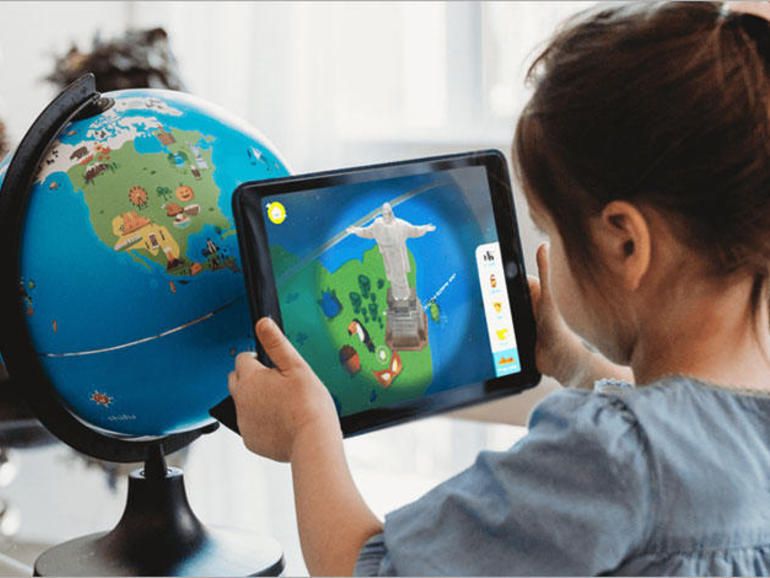
In recent years, technological innovations have revolutionized the way we learn and teach. Among these advancements, augmented reality (AR) stands out as a transformative tool that enhances educational experiences by blending digital information with the real world. AR technology overlays virtual objects, images, or information onto physical environments through devices such as tablets, smartphones, or AR glasses, offering immersive and interactive learning opportunities. This essay explores the significance of augmented reality in education, its benefits, challenges, and future prospects.
Understanding Augmented Reality in Education
Augmented reality in education involves the use of digital overlays to enrich the learning process. Unlike virtual reality, which immerses users completely in a simulated environment, AR augments real-world settings with computer-generated content. For example, students can point a tablet at a globe and see animated representations of weather patterns, or examine a 3D model of the human heart that they can rotate and explore from different angles.
AR applications are designed to be engaging, interactive, and educational, making complex concepts easier to understand. They appeal particularly to visual and kinesthetic learners by providing hands-on, experiential learning opportunities. AR can be integrated into various subjects, including science, history, geography, and art, transforming traditional lessons into dynamic, immersive experiences.
Benefits of Augmented Reality in Education
- Enhanced Engagement and Motivation
AR captures students’ attention through interactive visuals and gamified elements. When learners actively participate in exploring virtual objects, their motivation increases, leading to better retention of information. For instance, exploring a virtual dinosaur skeleton can make lessons about prehistoric life more exciting than reading from textbooks. - Improved Understanding of Complex Concepts
AR enables students to visualize abstract or complex ideas in three dimensions, making them more comprehensible. For example, medical students can examine 3D models of organs, and geography students can explore topographical landscapes virtually. This spatial understanding helps solidify knowledge and facilitates deeper learning. - Accessibility and Personalization
AR applications can be tailored to different learning styles and paces. Students with special needs may benefit from customized AR tools that support their unique requirements. Additionally, AR allows for remote learning, providing access to high-quality educational content regardless of location. - Encourages Active Learning and Exploration
AR promotes inquiry-based learning, where students explore and discover information independently. This active engagement fosters critical thinking, problem-solving skills, and curiosity. For example, AR scavenger hunts in a history museum can motivate students to learn more about exhibits. - Bridging the Gap Between Theory and Practice
AR offers practical experiences that would otherwise be costly or dangerous. Medical students can simulate surgeries, and engineering students can assemble virtual models, gaining hands-on experience without risks.
Challenges of Implementing AR in Education
Despite its numerous advantages, integrating AR into education faces several challenges:
- Cost and Accessibility: Developing and deploying AR applications and devices can be expensive, limiting access for underfunded schools. Ensuring equitable access remains a significant concern.
- Technical Limitations: AR technology requires powerful hardware, stable internet connections, and technical expertise, which might not be available everywhere.
- Teacher Training: Effective use of AR tools depends on teachers’ familiarity with the technology. Many educators need training and ongoing support to incorporate AR into their lessons successfully.
- Content Quality and Curriculum Integration: Developing high-quality AR content aligned with curricula takes time and resources. Additionally, educators need to ensure that AR complements, rather than distracts from, core learning objectives.
- Potential Distraction: Without proper guidance, AR activities can become entertainment rather than educational, reducing their effectiveness.
Future Prospects of AR in Education
The future of augmented reality in education is promising, with ongoing innovations promising to make learning more interactive and personalized. As technology becomes more affordable and user-friendly, widespread adoption is expected.
- Integration with AI: Combining AR with artificial intelligence (AI) can create adaptive learning environments that respond to individual student needs, providing personalized feedback and guidance.
- Immersive Field Trips: AR can simulate visits to historical sites, museums, or distant planets, offering experiential learning without leaving the classroom.
- Gamification and Motivation: More sophisticated AR games can motivate learners through challenges, rewards, and storytelling, making education fun and engaging.
- Collaborative Learning: AR can facilitate collaborative projects where students from different locations work together in shared virtual spaces, fostering teamwork and intercultural exchange.
- Lifelong Learning and Professional Development: Beyond school settings, AR is useful for adult education, vocational training, and professional development, providing on-the-job training with virtual simulations.
Conclusion
Augmented reality is revolutionizing education by making learning more interactive, engaging, and effective. Its ability to visualize complex concepts, create immersive experiences, and promote active exploration addresses many limitations of traditional teaching methods. While challenges such as costs and technological barriers exist, rapid advancements and decreasing prices suggest that AR will become increasingly accessible and integrated into everyday learning environments.
As educators, technologists, and policymakers collaborate to overcome obstacles, AR holds the potential to transform classrooms into vibrant centers of discovery. It encourages curiosity, enhances understanding, and prepares learners for a future where digital and physical worlds coexist seamlessly. Ultimately, augmented reality is a powerful tool that can inspire learners, foster innovation, and shape the future of education for generations to come.