The Modern Office Environment and Workplace Dynamics
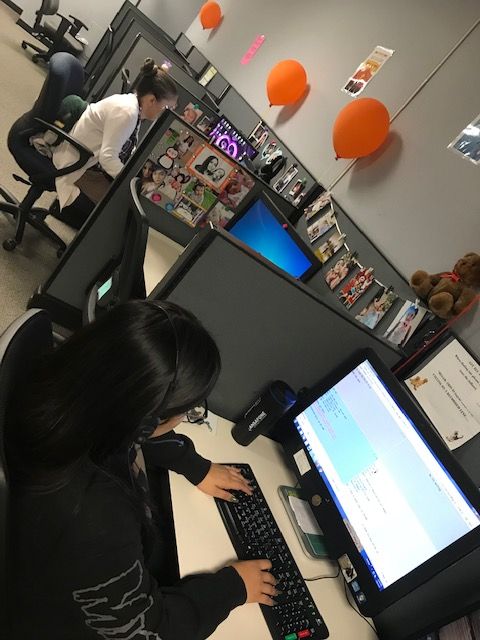
In the contemporary world, the traditional office space has undergone significant transformation, evolving into dynamic, flexible, and technology-driven environments. This shift reflects broader changes in how organizations operate, communicate, and foster productivity. The modern office is no longer confined to rows of cubicles and fixed schedules; instead, it incorporates collaborative spaces, remote work options, and advanced technological tools to enhance employee engagement and efficiency. This essay explores the features of the modern office environment, its impact on employees and organizations, technological integration, challenges faced, and future trends shaping workplaces.
Features of the Modern Office Environment
The modern office environment is characterized by openness, flexibility, and a focus on employee well-being. Unlike the traditional cubicle farms, contemporary offices often feature open-plan layouts designed to promote collaboration and communication among team members. These spaces include shared desks, breakout areas, lounge zones, and meeting rooms equipped with digital tools for seamless interaction.
Decor and design also play a crucial role. Bright colors, ergonomic furniture, and natural lighting create inviting spaces that reduce stress and improve mood. The presence of recreational areas, such as game zones or relaxation corners, underscores the importance of work-life balance.
The workspace is increasingly adaptable, accommodating various working styles. Employees can choose between sitting at their desks, standing desks, or collaborative zones, allowing for ergonomic comfort and productivity. Additionally, organizations are adopting hybrid work models, combining in-office and remote work arrangements to provide flexibility, attract talent, and reduce overhead costs.
Impact on Employees and Organizations
The modern office environment significantly influences employee satisfaction and organizational success. Flexible work arrangements and comfortable spaces enhance productivity, creativity, and overall well-being. Employees feel more engaged when they have autonomy over their work environment and schedules, leading to higher retention rates and job satisfaction.
Moreover, collaborative spaces foster teamwork, innovation, and knowledge sharing. When employees from different departments can easily communicate and brainstorm, the organization benefits from diverse ideas and faster problem-solving.
Organizations also experience increased agility. Modern offices equipped with digital tools facilitate remote collaboration, cloud-based data sharing, and virtual meetings, enabling companies to adapt quickly to changing market demands or unexpected disruptions, such as the COVID-19 pandemic.
Technological Integration in the Modern Office
Technology is at the heart of the modern office environment. Computers, high-speed internet, and cloud computing allow employees to work efficiently from anywhere. Collaboration platforms like Slack, Microsoft Teams, and Zoom enable seamless communication and virtual teamwork, breaking down geographical barriers.
Smart office solutions, including IoT devices, automated lighting, and climate control, contribute to energy efficiency and a comfortable working atmosphere. Digital signage and interactive displays facilitate internal communication and information dissemination.
Cybersecurity remains a critical concern, as increased reliance on digital tools necessitates robust protection of sensitive data. Organizations invest heavily in secure networks, encryption, and user training to prevent cyber threats.
Furthermore, data analytics help organizations monitor productivity, optimize space utilization, and enhance employee experience by providing insights into work patterns and preferences.
Challenges of the Modern Workplace
Despite its many advantages, the modern office environment presents certain challenges. Maintaining effective communication and team cohesion can be difficult in hybrid or remote setups, leading to feelings of isolation among employees. Managers must develop strategies to foster inclusion and team spirit across diverse working arrangements.
The cost of implementing advanced technologies and redesigning office spaces can be substantial. Smaller organizations may struggle to afford these innovations, creating disparities in workplace quality.
Workplace distractions, such as noise and interruptions in open-plan offices, can negatively impact concentration and productivity. Employers need to find a balance between openness and privacy, incorporating soundproofing and designated quiet zones.
Additionally, the blurring of boundaries between work and personal life, especially with remote work, can lead to burnout and stress. Organizations must promote healthy work habits and encourage employees to set boundaries.
Future Trends in the Workplace
Looking ahead, workplaces will continue to evolve toward greater flexibility, personalization, and technological integration. Virtual reality (VR) and augmented reality (AR) may become common tools for remote collaboration, training, and virtual office tours.
Artificial intelligence (AI) will play an increasing role in automating routine tasks, freeing employees to focus on strategic and creative activities. AI-powered chatbots and virtual assistants can handle inquiries, schedule meetings, and provide real-time support.
The emphasis on employee well-being will intensify, with workplaces incorporating wellness programs, mental health support, and ergonomic innovations. Sustainability will also become a priority, with eco-friendly building materials, energy-efficient systems, and green spaces integrated into office design.
Finally, the concept of the office as a community hub may expand, emphasizing social interactions, learning opportunities, and corporate culture to attract and retain talent in an increasingly competitive