The Impact of Stress on the Aging Process: An In-Depth Overview
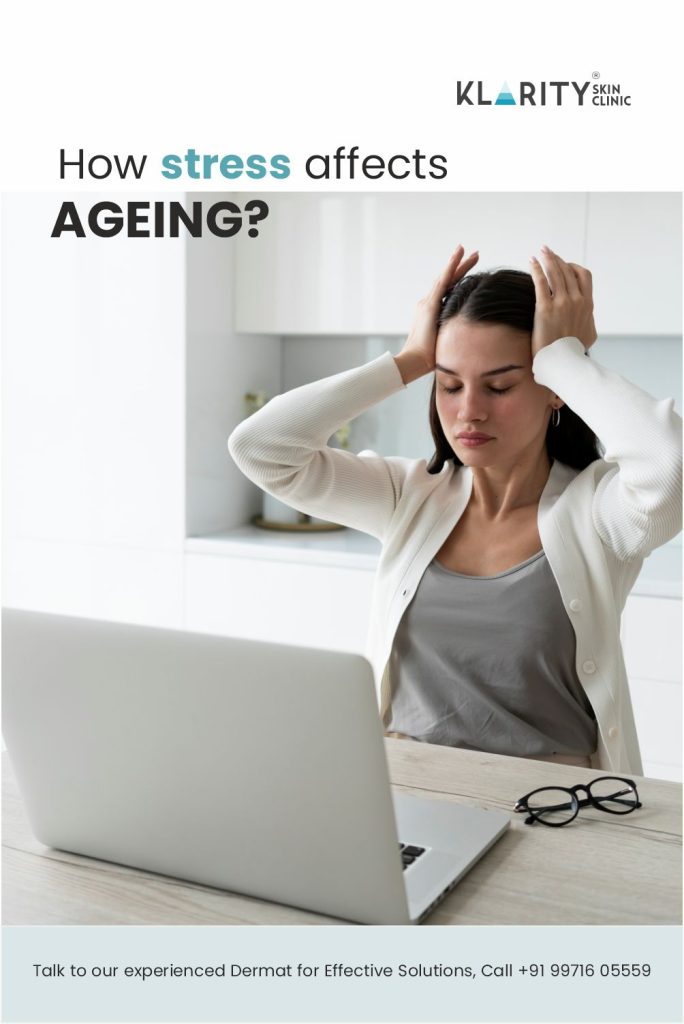
Stress is an inevitable part of life, but its effects on our body and mind can be profound, especially when it comes to aging. Chronic stress, in particular, accelerates the aging process, leading to visible signs such as wrinkles, dull skin, and loss of elasticity, as well as internal deterioration like weakened immune function and increased risk of age-related diseases. Understanding how stress influences aging is crucial for adopting effective strategies to mitigate its effects and promote a healthier, more youthful appearance and lifespan.
The Biological Connection Between Stress and Aging
At the cellular level, stress triggers the release of hormones such as cortisol and adrenaline. While these hormones are essential during the ‘fight or flight’ response, chronic elevation can have detrimental effects. High cortisol levels over time damage collagen and elastin, the proteins responsible for skin’s firmness and elasticity. This leads to wrinkles, sagging skin, and a dull complexion. Moreover, prolonged stress causes oxidative damage due to increased free radicals, which accelerate skin aging and cellular degeneration.
Stress and the Immune System
A weakened immune system is a hallmark of aging, and stress plays a significant role in this decline. Persistent stress impairs immune function by reducing the production of protective antibodies and white blood cells. This makes the body more susceptible to infections, slows down wound healing, and increases vulnerability to chronic illnesses such as cardiovascular disease, diabetes, and neurodegenerative conditions. The immune system’s decline accelerates the overall aging process, making individuals more prone to age-related health issues.
Psychological and Emotional Effects
Beyond physical changes, stress can cause emotional and psychological deterioration, including anxiety, depression, and cognitive decline. Chronic stress affects brain structures like the hippocampus, impairing memory and learning. Over time, these mental health issues can contribute to a reduced quality of life and diminish the youthful vigor associated with mental clarity and emotional resilience.
Lifestyle Factors and Stress
Lifestyle choices significantly influence how stress impacts aging. Poor diet, lack of exercise, inadequate sleep, and unhealthy habits like smoking and excessive alcohol consumption exacerbate stress effects. For instance, a diet high in sugar and processed foods increases inflammation, which accelerates skin aging and internal degeneration. Lack of physical activity reduces circulation and hampers the body’s ability to repair and regenerate tissues. Conversely, healthy lifestyle habits can buffer the negative effects of stress, promoting longevity and a youthful appearance.
Managing Stress to Slow Aging
Effective stress management is crucial for slowing the aging process. Techniques such as mindfulness meditation, yoga, deep breathing exercises, and regular physical activity help lower cortisol levels and improve overall well-being. Social connections and engaging in hobbies provide emotional support and reduce feelings of stress and loneliness. Adequate sleep is essential for cellular repair and hormonal balance. Additionally, maintaining a balanced diet rich in antioxidants, vitamins, and minerals helps combat oxidative stress and supports skin health.
The Role of Skincare and External Factors
While internal stress management is vital, external skincare routines can also mitigate visible signs of aging caused by stress. Protecting the skin from UV damage, using antioxidant-rich skincare products, and staying hydrated help preserve skin elasticity and radiance. Avoiding excessive exposure to environmental pollutants and smoking can prevent further damage and promote a more youthful appearance.
Conclusion
Stress significantly influences the aging process by affecting cellular health, immune function, and emotional well-being. Chronic stress accelerates skin aging, weakens the immune system, and increases susceptibility to age-related diseases. However, by adopting healthy lifestyle habits, practicing stress-reduction techniques, and taking good care of the skin, it is possible to slow down the aging process and maintain a youthful, vibrant appearance. Recognizing the importance of managing stress early and consistently can lead to longer, healthier, and more fulfilling lives. Ultimately, inner peace and a balanced lifestyle are powerful tools in the quest for graceful aging and sustained vitality.